

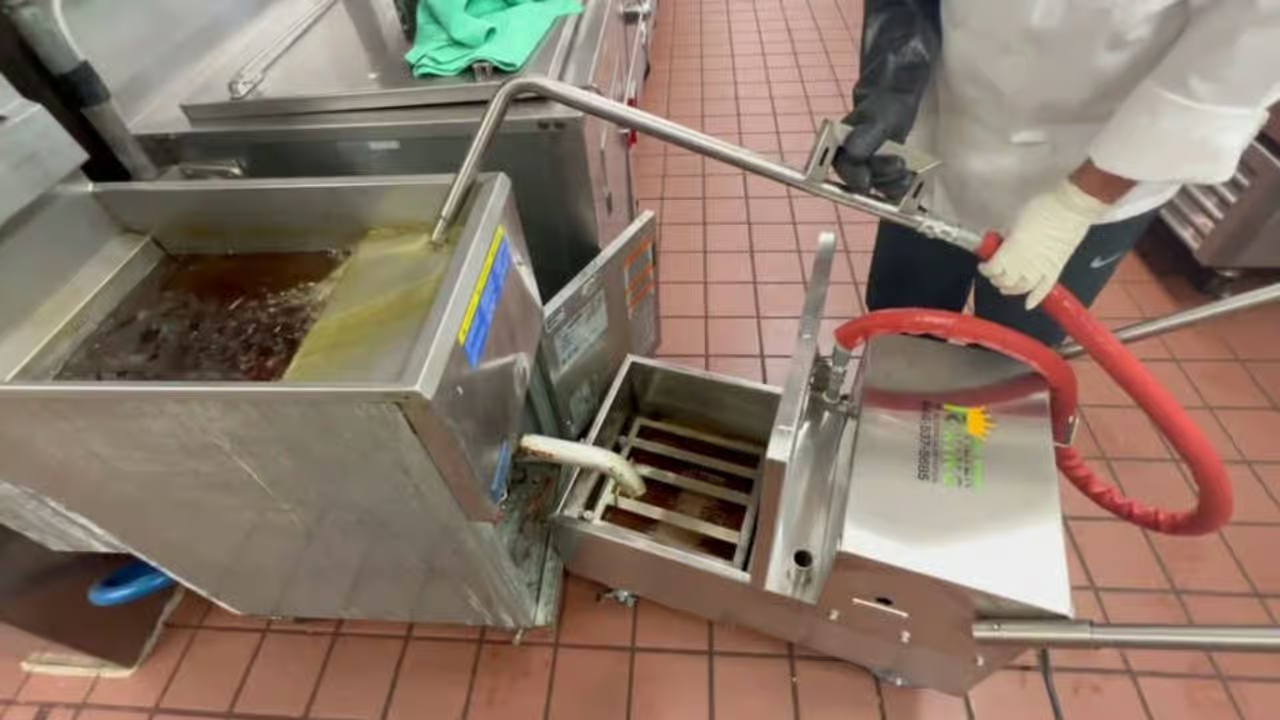
In the bustling environment of high-volume kitchens, efficiency and quality are paramount. These kitchens, often found in restaurants, hotels, and catering services, must consistently deliver top-notch food while managing costs and maintaining safety standards. One critical component that helps achieve these goals is the use of restaurant oil filtration equipment systems.
Oil filtration systems play a vital role in maintaining the quality of fried foods. In high-volume kitchens where fryers are constantly in use, oil can degrade quickly due to factors such as heat exposure, food particles, and moisture. This degradation not only affects the taste and texture of fried items but also their nutritional value. By using an oil filtration system, kitchen staff can remove impurities from cooking oil on a regular basis. This process extends the life of the oil by keeping it cleaner for longer periods, ensuring that each batch of food retains its intended flavor profile.
Moreover, these systems contribute significantly to cost savings. The frequent replacement of cooking oil can be expensive for any establishment operating at scale. restaurant oil filtration equipment reduces waste by prolonging the usability of frying oils through effective cleaning processes. As a result, businesses experience lower overhead costs related to purchasing new oil supplies regularly.
Another advantage is improved kitchen safety and cleanliness. Used cooking oils accumulate residues that can pose fire hazards if not properly managed or disposed of after reaching their end-of-life stage without adequate filtering measures in place beforehand – something crucial when handling large volumes daily! Furthermore: well-maintained fryer units mean less risk associated with accidental spills leading potentially dangerous slips/falls among employees working nearby areas too; this makes investing worthwhile long-term given potential liabilities avoided altogether over time thanks proactive prevention efforts made possible via advanced technologies available today within industry standards set forth globally across board alike (i.e., ISO certifications).